

Data Tells You What Happened. Insights Tell You Why
Most businesses today are surrounded by data.
Dashboards update in real time. Reports arrive automatically. Metrics are tracked, compared, exported, and archived. On paper, this should create clarity.
In reality, it often creates paralysis.
Knowing what happened is easy. Understanding why it happened is where leadership begins.
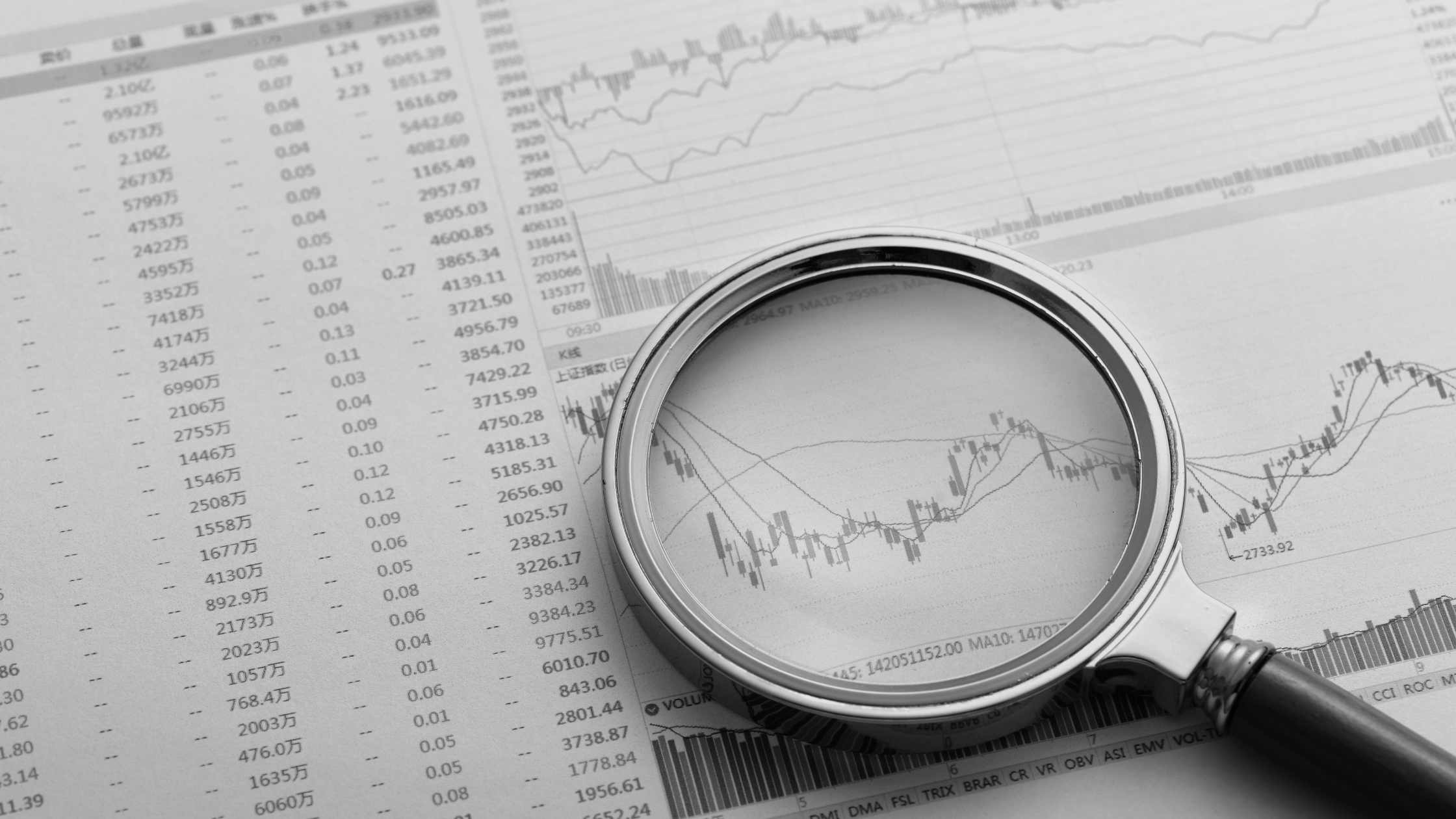
Data Is a Record, Not an Explanation
Data captures outcomes.
It shows you that traffic dropped, conversions rose, engagement stalled, or revenue spiked. What it does not show you is the chain of human decisions that led there.
Data answers questions like:
How many people clicked
Where they came from
What they did next
Those answers are useful, but incomplete. Without interpretation, they remain descriptive rather than directional.
Insights Come From Context and Curiosity
An insight emerges when someone asks a better question than the dashboard was built to answer.
Instead of stopping at:
“Conversions went down”
Insights push toward:
What changed in expectations?
Where did uncertainty increase?
What assumption no longer holds true?
This shift requires curiosity, not just reporting. It requires looking at numbers as evidence of behavior rather than performance alone.
Why Interpretation Matters More Than Precision
Businesses often invest heavily in accuracy. Clean data. Perfect tracking. Detailed attribution.
Those things matter, but precision without interpretation rarely drives better decisions.
A small, imperfect dataset interpreted thoughtfully will outperform a flawless dashboard that no one knows how to act on.
Insights live in the space between:
Metrics and messaging
Behavior and belief
Performance and perception
That space is human, not technical.
Insights Guide Action. Data Often Triggers Reaction.
Data tends to provoke immediate responses.
Pause campaigns. Change headlines. Adjust budgets. Redesign pages.
Insights create intentional action.
They help you decide:
What deserves patience
What requires a deeper fix
What is a symptom rather than the problem
This is the difference between reacting to numbers and leading with understanding.
The Best Insights Combine Analysis and Experience
Insights do not come from tools alone.
They are shaped by:
Pattern recognition over time
Understanding of audience psychology
Familiarity with your brand’s promise and positioning
Two people can look at the same dataset and walk away with very different conclusions. The stronger insight comes from the one who understands people, not just platforms.
When Data and Insight Work Together
When data collection is paired with thoughtful interpretation, it becomes a strategic advantage.
You gain:
Clearer priorities
More confident decision-making
Less reactive marketing
Better alignment between brand, performance, and growth
At that point, numbers stop feeling overwhelming and start feeling supportive.
The Takeaway
Data gives you the past. Insights help you decide the future.
If your reporting tells you what happened but leaves you unsure of what to do next, the issue is not volume or tooling. It is the absence of interpretation. That is where leadership, experience, and perspective matter most.
If you want help turning your data into insights that actually guide decisions, contact us and we will help you understand not just what happened, but why it matters and what to do next.