

Do Your Customers Favor Familiarity or Innovation?
Many businesses assume customers naturally gravitate toward what is new, faster, or more advanced. In practice, that is rarely true across the board. People often choose what feels familiar even when a better option exists. This is not stubbornness or lack of awareness. It is a rational response to uncertainty.
Understanding whether your customers favor familiarity or innovation changes how you position, message, and design your offerings.
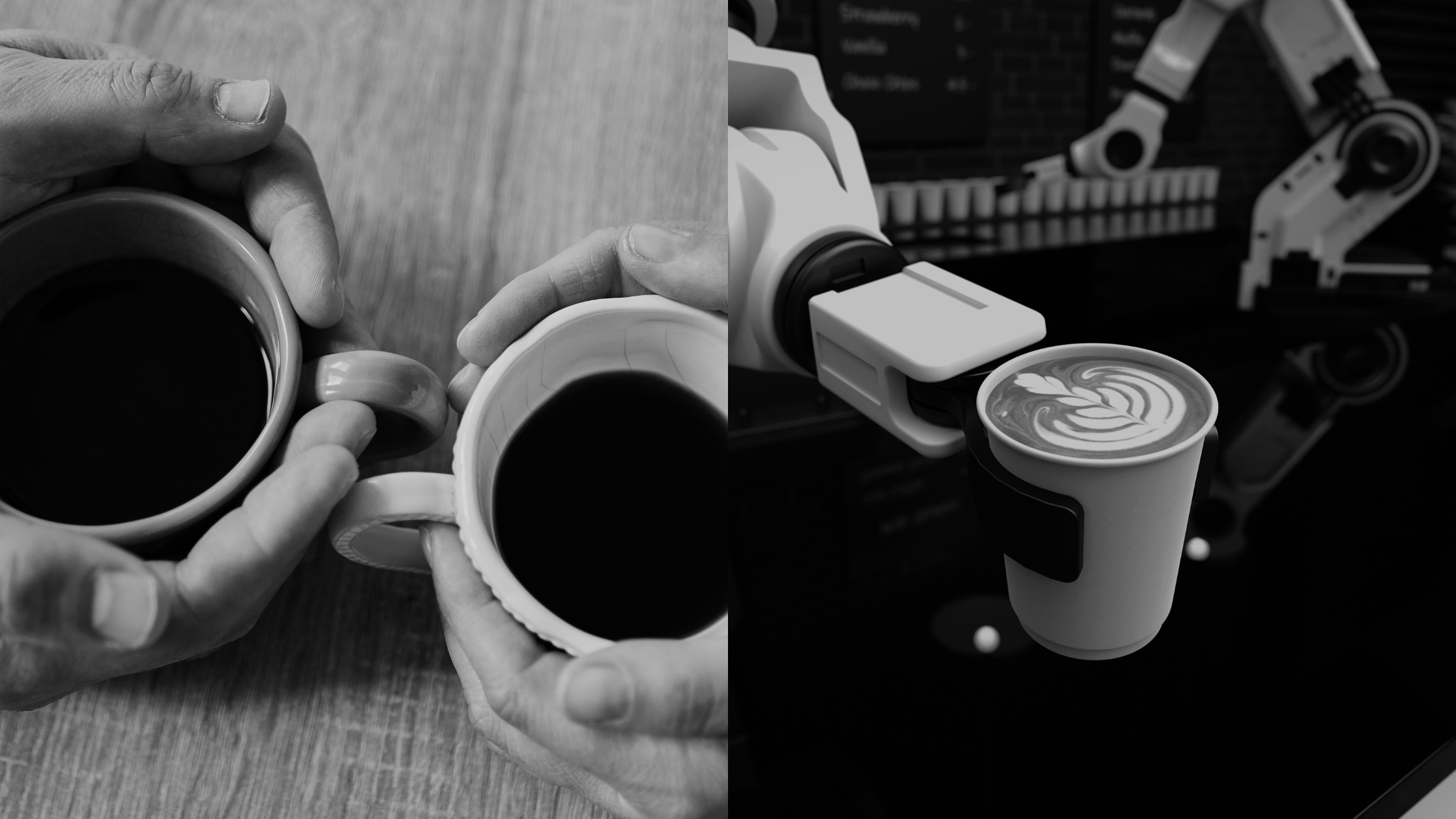
Familiarity Reduces Cognitive Effort
Every decision requires energy.
Familiar options feel easier because they demand less explanation, less risk assessment, and less emotional effort. When something resembles what people already know, they can predict outcomes more confidently.
This is especially true when decisions involve:
Time investment
Financial commitment
Personal or professional risk
In those moments, familiarity feels safe.
Innovation Appeals to a Specific Type of Customer
Not everyone is motivated by improvement.
Customers who seek innovation often:
Enjoy experimentation
Feel comfortable with ambiguity
Value novelty and efficiency
Accept short-term friction for long-term gain
These customers tend to be early adopters. They are curious, self-directed, and willing to learn. They represent a smaller portion of most markets, but they can be highly influential.
Familiarity-Oriented Customers Optimize for Stability
Many customers prioritize reliability over optimization.
They may:
Stick with tools they already understand
Choose brands they recognize even when alternatives exist
Value predictability more than speed or features
This group often includes:
Busy decision-makers with limited time
Risk-averse buyers
People who have been burned by change in the past
For them, ease and continuity matter more than innovation.
Why Familiarity Often Wins Even When Innovation Is Better
Innovation introduces uncertainty.
Even when a new solution promises improvement, customers may worry about:
Learning curves
Unexpected consequences
Disruption to existing workflows
Familiar options allow people to rely on existing mental models. That comfort can outweigh potential benefits, especially when the stakes feel high.
How to Identify Which Preference Your Customers Have
Look at behavior rather than stated preferences.
Signs customers favor familiarity:
Longer decision cycles
Frequent requests for reassurance
Strong attachment to existing processes
Resistance to change language like “new” or “different”
Signs customers lean toward innovation:
Curiosity-driven questions
Willingness to test or pilot solutions
Focus on efficiency or scalability
Comfort discussing trade-offs
Listening to how customers ask questions often reveals more than what they say they want.
Positioning Depends on Preference
When customers favor familiarity, positioning should emphasize:
Continuity and reliability
Clear transitions rather than radical change
How improvements fit into what already exists
When customers favor innovation, messaging can focus on:
Future advantage
Competitive differentiation
Long-term gains
The mistake many businesses make is speaking to both groups at once, which usually resonates with neither.
The Takeaway
Customers do not choose between familiarity and innovation at random. They choose based on risk, context, and comfort. Understanding which preference dominates your audience allows you to communicate more clearly, design more effectively, and build trust faster.
If you want help understanding how your customers make decisions and how to position your brand accordingly, contact us and we will guide you toward messaging and experiences that align with how your audience actually thinks.